
Intuition is your inner guide. It’s a quiet force steering you toward the truth hidden beneath layers of illusion. But finding truth isn’t always straightforward; it requires discernment, one of the best tools for cutting through deception.
You need to be able to spot an illusion. An illusion is just a disguised lie and lies show up as contradictions in people and situations. If you want to uncover the truth, pay attention to the gaps between:
- What people say and what they do
- What you feel and what you think
- What others present and what they actually deliver
It’s easy to ignore these inconsistencies, especially when emotions cloud judgment. But intuition picks up on what logic might miss.
Your five senses: sight, touch, smell, taste, and hearing help you navigate the world. Some are sharper than others, but combined, they shape how you instinctively react. If your physical senses aren’t reliable, or if you ignore your gut instincts, you risk missing danger signs or falling for deception. That’s why intuition is often called a sixth sense. It picks up subtle cues you might otherwise overlook.
Ignoring negativity can backfire. Many people resist being suspicious or judgmental because they want to stay positive. While it’s great to see the good in people and situations, ignoring negatives can leave you vulnerable. If you never question what seems off, you might overlook warning signs until it’s too late.
Have you ever had a bad feeling about someone or something, only to be proven right later? That’s your intuition talking. But if you dismiss those instincts to avoid appearing negative, you deny yourself a powerful tool for protection.
You need to give yourself permission to be discerning. Being discerning means allowing yourself to:
- Be critical when something doesn’t add up
- Be suspicious when things feel off
- Be judgmental when evaluating people and situations
- Acknowledge negativity so you can use it constructively
This doesn’t mean becoming cynical. It means staying alert. If you always seek the good in people, places, or situations, you might miss what’s wrong.
Protect yourself from manipulation. Without discernment, you become an easy target for people who take advantage of kindness. Manipulators, energy-drainers, and opportunists tend to gravitate toward those who don’t set boundaries.
When you don’t recognise harmful patterns in relationships, work, or business, you end up watching helplessly as energy-draining people chip away at your emotional reserves. All of which can leave you exhausted, resentful, or stuck.
Discernment acts like a protective filter, allowing you to:
- Set healthy boundaries
- Identify red flags before they become problems
- Determine whether people and opportunities are genuine or deceptive
Here’s how to strengthen your discernment skills:
Some people have strong gut instincts naturally; others refine their judgment through experience. If you’ve ever learned the hard way, by trusting the wrong person or ignoring warning signs, you know how valuable discernment can be.
To sharpen your ability to separate truth from illusion, question everything. Question everything not with paranoia, but with curiosity:
- Is this situation consistent or full of contradictions?
- Does this person’s actions align with their words?
- Do I sense manipulation or genuine wisdom?
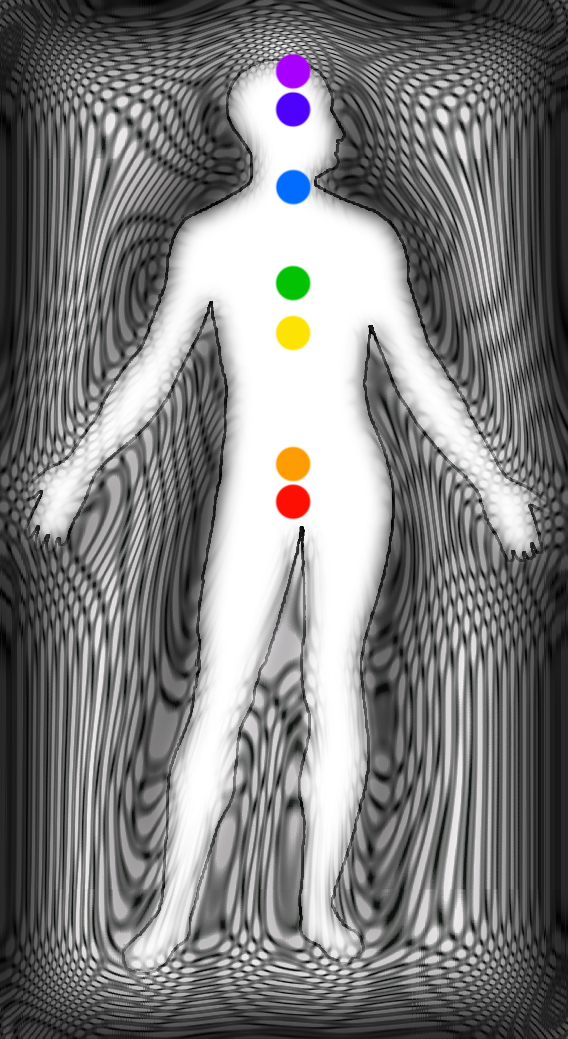
Both intuition and reasoning play a role in discernment, and they work best together. Whether through life experience, gut instincts, or even spiritual awareness (like tuning into your chakras below), the ability to see past deception and recognise wisdom is a skill worth cultivating.
When you’re uncertain or suspicious about a person or a situation, then how do you discern truth from illusion? What do you need to look for? Let’s say you’re on a search for guidance and direction from a spiritual healer or teacher. How do you know a genuine healer? How do you recognise a good teacher when you see one? When the situation calls for discernment, there are seven chakra benchmarks to look for that will help you to assess their worth.
Tune into your chakras:
1. Focus on your first chakra at the base of your spine. This is your centre of earthly survival power. Is the information, teacher or healer consistent, positive and helpful? Is the information, healer or teacher down-to-earth or vague and ungrounded?
2. Focus on your second chakra below your navel. This is your centre of relationship power. Does the information, teacher or healer have healthy boundaries? Are you encouraged to be independent, empowered and whole? Or are you being asked to conform with, or depend on, the healer, the information or the teaching?
3. Focus on the third chakra at your solar plexus. This is the centre of your instinctive power. Does your gut register this information, teacher or healer as congruent? Is this a person of integrity?
4. Focus on your fourth chakra at the heart. This is where your emotional power resides. Does the information, the teacher or healer uplift you? Is your heart stirred with a sense of truth?
5. Focus on the fifth chakra at the throat. This is your centre of free will. Are you being asked to surrender your power to choose for yourself? Are you accepting the information presented without question?
6. Focus on your sixth chakra in the middle of your brow. This is your intellectual power. Does the information broaden your awareness and understanding of yourself? If the information, teacher or healer is personally confronting, does it lead you to face reality?
7. Focus on the seventh chakra at the crown of your head. This is your centre of spiritual power. Does the information, teacher or healer provide you with a path for healing or growth, or does it undermine you?
These benchmarks can be applied when you need to discern the quality or truth of new information being presented to you. Always follow what feels right and true for you at the time.
The fear of judgement impedes the ability to discern. It lets bad things happen to good people.
Discover more from Gail Goodwin
Subscribe to get the latest posts sent to your email.
 Gail Goodwin
2 thoughts on “Why Do Bad Things Happen to Good People?”
Comments are closed.