
This is a call to honour the voice of your soul. It’s a call to do it without editing, filtering, censoring, or diluting it to fit what’s safe, easier, palatable, or expected. In a world that prizes performance, productivity, approval, awards, rewards and perfection, people have been trained to silence their instincts and clean up their truth before it’s even spoken. The thing is that the soul speaks in raw impulses. It can appear disjointed, emotional and intuitive. When you ignore or edit these promptings, you disconnect from your deepest guidance.
I began to stop editing the voice of my soul about 25 years ago, after I started practicing stream-of-consciousness journaling, guided by Julia Cameron in her book titled “The Artist’s Way”. Stream-of-consciousness writing is not meant to be high art, polished, or even coherent. Its purpose is to clear the mental clutter, access your intuition and creativity, and give a voice to the unfiltered promptings of your soul.
This type of writing teaches you that you don’t need to censor it. You write whatever comes, no matter how boring, angry, petty, or ridiculous. You don’t need to edit it because it’s about getting into the flow of your authentic, instead of into perfection. And no one else will read it since it’s meant only for you, so it creates a safe harbour for full expression. Done as a regular practice, stream-of-consciousness journalling builds self-awareness, self-confidence and unlocks creativity, all of which I’ve discovered calms the Inner Critic enough to let the Healthy Sceptic have a say.
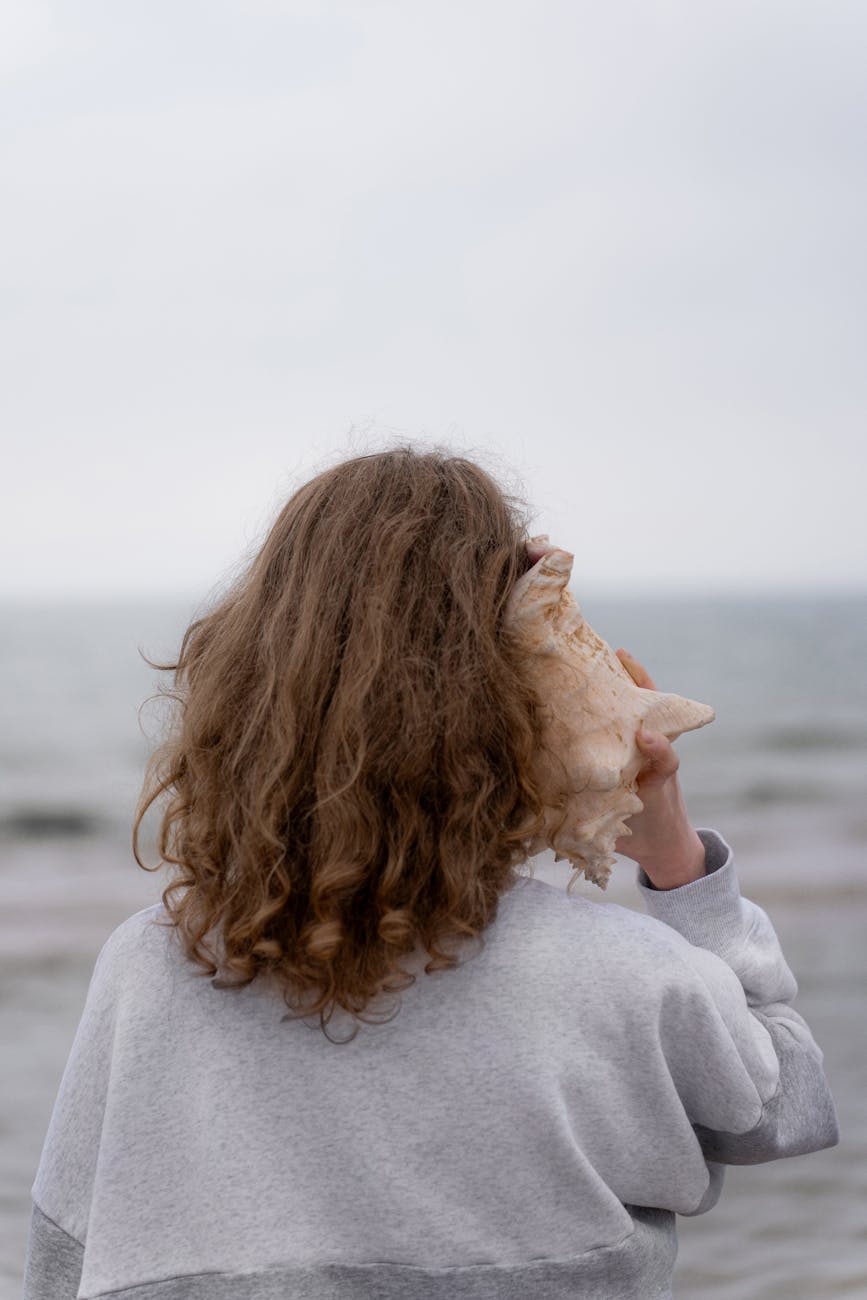
What is this urge to edit your soul? Why do people do it? We edit our soul out of fear. Fear of judgment, rejection, being misunderstood, or failing. We second-guess: “Is this too much?”, “I’m just being difficult”, “What will people think?”, or “What if I get it wrong?” But your soul doesn’t care about being liked. It cares about being authentic, real, genuine and true. And when you silence it, you don’t just protect yourself from risk. You cut yourself off from your soul’s purpose, your inner wisdom, your intuition, your passion, and your spirit.
Let’s say you love to write about personal growth. The Writer archetype is a sub-archetype of the Artist archetype. It’s a perfect mirror for this struggle. The Writer archetype is a call to give voice to truth, to shape thought and experience into words. At its best, the Writer archetype channels something real and resonant, sometimes before fully understanding it themselves.
But.
The disempowered side of the Writer archetype provokes the Inner Judge, and teaming up with the Inner Critic, the part of the Saboteur that over-edits, self-censors, procrastinates, they stop the writing before it begins. This is where the soul’s promptings are shut down before they get a chance to hit the page. You might feel inspired to write about an inconvenient truth, a spiritual insight, or a new way of thinking but instead, you think, “That’s too weird. This is not going to win any friends or clients. No one will relate and certainly not subscribe to or follow this. It’s not good writing.” So, you erase the impulse and with it, another little piece of your soul’s expression.
The highest potential of an archetype is a facet of your authentic Self, which is sacred.
Gail Goodwin 2026
Whereas, if you shift into the highest potential of the Writer archetype and slip into the familiarity of a stream-of consciousness mindset, you can let the prompting come through first, without judgment. Let your editing, diplomacy and even compassion come later, after the truth is born. Your soul’s language isn’t meant to be perfect; it’s meant to be honest.
Whether you write, speak, coach, teach, or create, the message applies: you don’t need to filter the message before it’s fully delivered. Let the soul speak first. The world needs it.
You don’t need to edit the promptings of your soul, not out of fear, not for approval, and certainly not for perfection. Let the wild, raw truth come through first. You can always shape the form later, but don’t abort the message before you birth it. Your soul doesn’t need a censor. Your soul needs a clear channel.
References
Cameron, J 1993, The artists way: A course in discovering and recovering your creative self, Pan Books, London.
Mishima, I & Koga, F 2017, The courage to be disliked: the Japanese phenomenon that shows you how to free yourself, change your life and achieve real happiness, Allen & Unwin, Crows Nest.
Discover more from Gail Goodwin
Subscribe to get the latest posts sent to your email.


You must be logged in to post a comment.