
Everyone has a little Inner Victim archetype1. A healthy Inner Victim archetype assists you to choose your attitude and response to life’s challenges, you learn to be resilient, but resilience is not a performance. “When life throws you lemons, use it to make lemonade” is a classic catchphrase associated with the developed side of the Inner Victim archetype.
“No matter how many lemons life throws at you, you do not owe anyone a glass of lemonade,”
Nora McInerny2
McInerny’s statement “No matter how many lemons life throws at you, you do not owe anyone a glass of lemonade” points out that when life presents you with challenges or difficulties, meaning, your “lemons”, you are not obliged to transform them into something positive for others. You are not required to “make lemonade” as a way of transmuting their pain about your situation, or as a way of adding “a spoonful of sugar to help the medicine go down” for them, or as a way to soothe the discomfort they feel about your pain. You’re not here to gentle parent other adults. Leave that to their Inner Parent archetype.
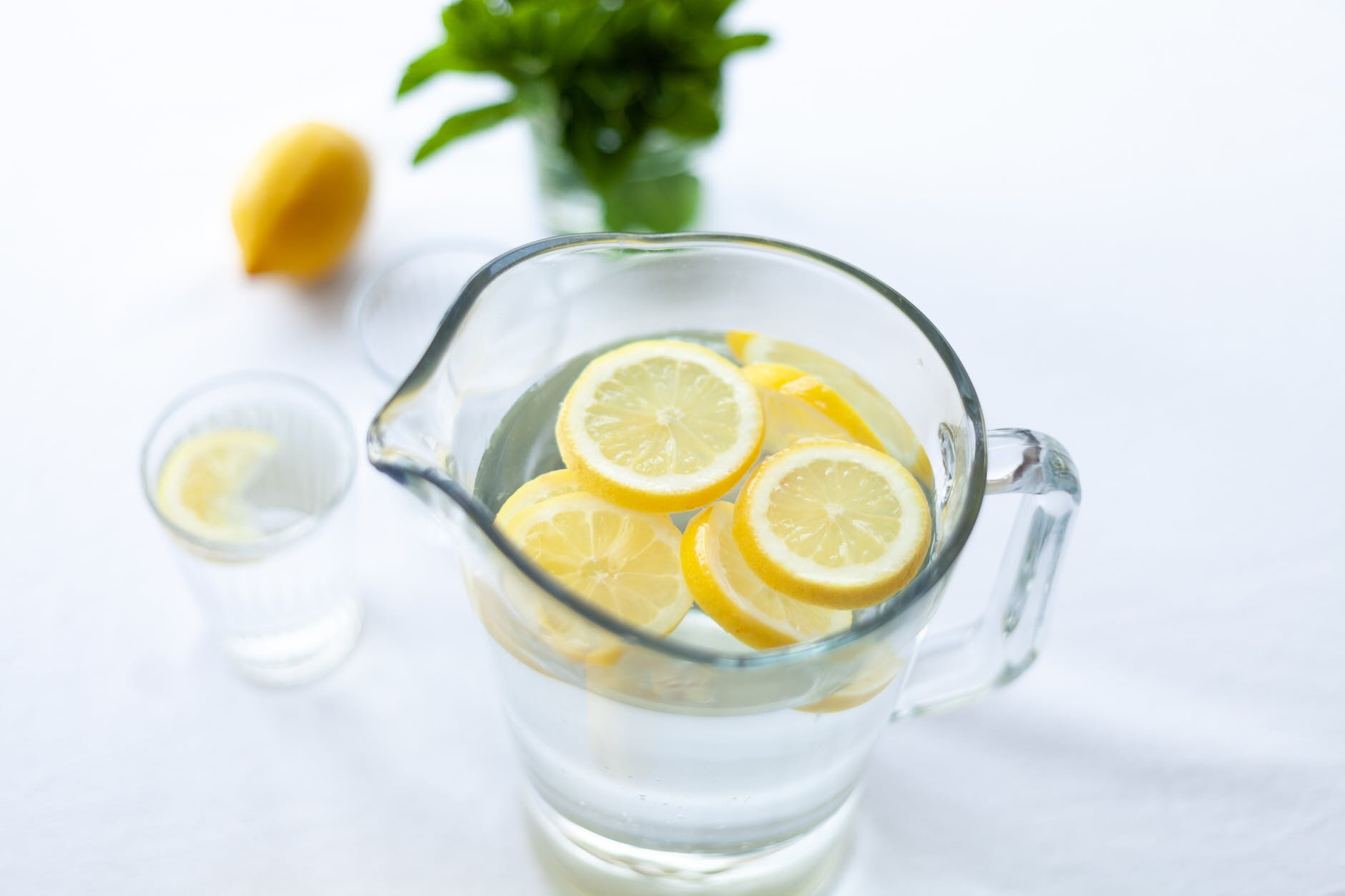
Resilience is an inside job. One where you set your personal boundaries and prioritise your own well-being, instead of feeling pressured to turn your hardships into something productive for others, or pleasing to others, or easier for others to bear witness to your pain.
A developed Inner Victim archetype is one you’ve trained to guide you to choose your attitude and response to life’s challenges, because you’ve worked hard to acknowledge, allow, investigate and nurture your own vulnerability without letting it define your experience of your Self. Your hard-earned resilience is not a performance because resilience is about inner strength and authenticity. It’s not about putting on a facade of strength to make others feel better about your difficulties.
A person with a developed Victim archetype doesn’t deny their suffering or pretend it doesn’t exist. They give themselves permission to feel pain, sadness, or fear. They consciously and consistently work on choosing not to let these emotions control their actions or responses. This authenticity is what separates real resilience from performative resilience. Performing resilience hides and therefore risks suppressing your feelings so that you appear strong for the sake of others, who are in fact, entirely responsible for managing their own discomfort.
Resilience is about how you internalise and processes hardship. It’s not about putting on a brave face or demonstrating an idealistic version of strength. A developed Victim archetype reminds you that there’s no need to prove your resilience to others. It guides you to heal and grow. It reminds you that you don’t need to live up to society’s expectations of how someone should think, feel or behave in the face of adversity.
Resilience is the result of your ability to accept vulnerability. When you embrace a developed Victim mindset, you know that being resilient doesn’t mean never feeling weak or broken. It’s about accepting those moments as a part of life. Performance resilience demands that everyone denies their vulnerabilities, which we know prevents genuine growth and healing. It takes you further away from experiencing your authentic Self.
True resilience is sustainable because it’s grounded in self-awareness and the willingness to process emotions authentically. Performative resilience is fragile because it’s based on appearances. It crumbles when the pressures of life become overwhelming, simply because it’s been put on show. All of which puts you at risk of the Golem Effect when you were hoping to inspire the Pygmalion Effect. A developed Inner Victim doesn’t force you to present a facade of strength when you need rest, support, or care.
A developed Victim mindset embodies resilience by being honest with themselves and others about their struggles and choosing how to respond. Their strength isn’t performative because it’s not for speculation or entertainment purposes. Training your Inner Victim archetype to be a constructive force in your life is an invisible act of power. It’s an inward process of growth, healing, and self-empowerment.
You’re not required to make the best out of every difficult situation for the benefit of others. You have the right to prioritise your own healing and processing it privately, without the added expectation of pleasing and comforting those around you. So, add this to your never-ending what Not-To-Do List. You don’t need to appoint yourself as the manager of other people’s discomfort with your difficulties.
You don’t owe anyone a happy-ever-after ending to your story.
- We have a little Inner Child, a little Inner Prostitute and little Inner Saboteur toddling around inside us, but more on that another day. ↩︎
- “Nora McInerny is an author and podcaster who began speaking openly about loss and grief after the death of her husband, Aaron, from brain cancer, which followed the death of her father, after a miscarriage. She’s also fun at parties. “No matter how many lemons life throws at you, you do not owe anyone a glass of lemonade,” she posted on Instagram recently.” https://www.theguardian.com/commentisfree/2024/oct/04/we-need-to-stop-talking-about-resilience-im-not-here-to-inspire-you-with-all-the-trauma-ive-endured ↩︎
Discover more from Gail Goodwin
Subscribe to get the latest posts sent to your email.
 Gail Goodwin
You must be logged in to post a comment.