
There are no bad archetypes. Every archetype, even those we tend to view as negative, has value and a unique purpose.
Our personality archetypes are neutral forces of energy, powered by how we think, feel and behave in a conscious, subconscious or unconscious way. As such, each archetype will manifest in either an unpleasant or destructive way, or in a pleasant or constructive way.
Each archetype, even those with negative connotations like the Saboteur, plays a crucial role in the human experience. They can teach important life lessons, and reveal hidden traps and gifts in ourselves and others. While the Saboteur archetype is known for its destructive nature, it can also be a force for innovation, creativity, flexibility and change. By destroying what is, at the same time, if we are willing to recognise it, the Saboteur can pave the way for what could be. Although the Saboteur initially creates chaos, it can also break down outdated systems, making way for new growth.
Demolition makes way for construction.
Exploring and integrating the shadow in each of our personality archetypes gives us a more nuanced and complete understanding of our personality. It reveals our hidden potential, and opens us to growth and personal transformation.
Acknowledging and integrating our personality archetypes can lead to a more balanced and whole self. Ignoring or rejecting our personality archetypes can take us down a rabbit hole into repression and then projection of our unappreciated pleasant and unacknolwedged unpleasant qualities onto others. This creates internal conflict, discrepancies in behaviour, and unhealthy relationships. Confronting the parts of ourselves that we deny or hide can deepen our personal growth and expand self-awareness.
While the shadow of an archetype is usually considered dark or negative, there is gold to be found hiding in the shadows.
The shadow represents repressed desires, gifts and unpleasant qualities. Integrating the shadow of our personality archetypes is a lifelong learning process. But it helps us to understand our full self, so we can embrace our true, authentic self. Acknowledging our shadow allows us to live a soul-led life. By this I mean that our inner life is leading our external life instead of the other way around.
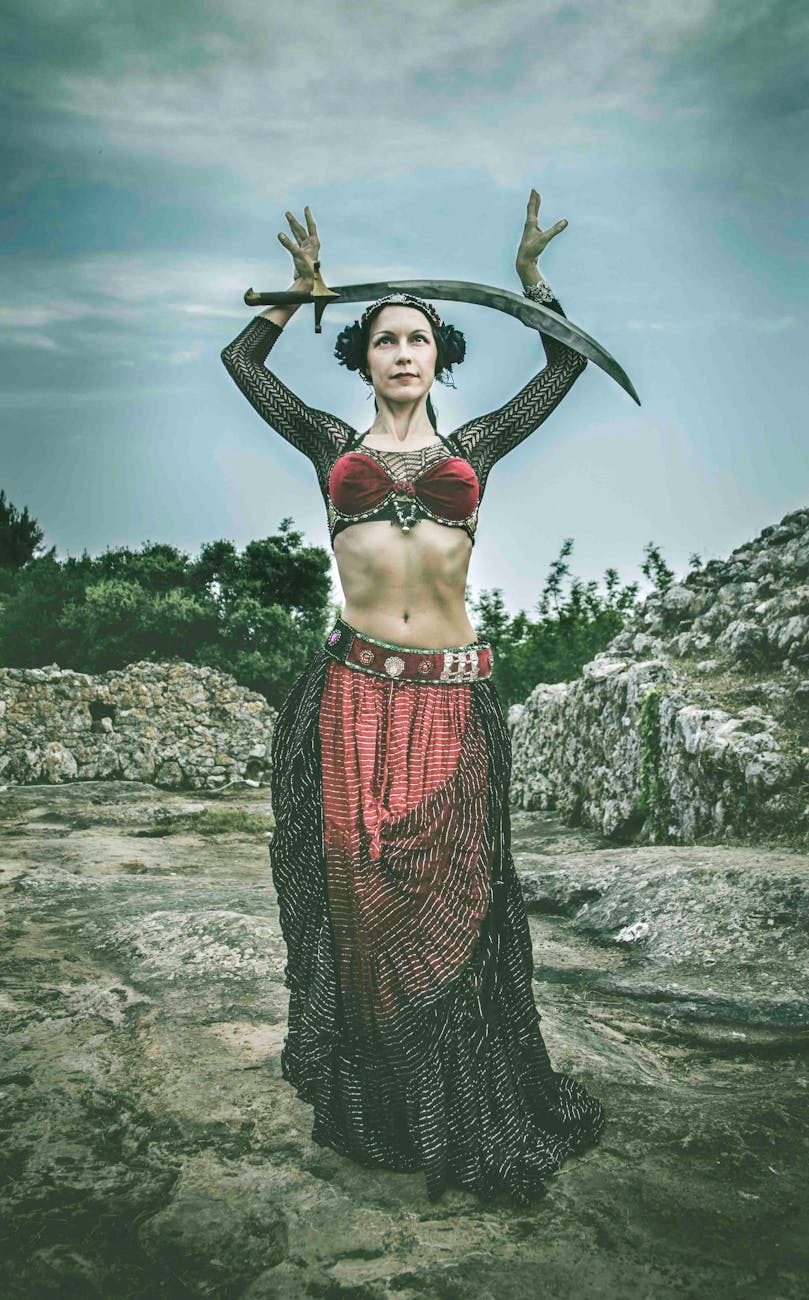
Photo by Ivan Cujic
Acknowledging the shadow of each archetype can inspire healthier decisions, behaviours, and relationships because we’re addressing what’s hiding beneath the surface; the underlying and hidden issues. Let’s say the Warrior archetype is one of your personal archetypes. Unchecked, it can manifest as conflict, but the Warrior archetype is also a source of courage, discipline, and the will to protect and fight for what is right. It’s a powerful source you can draw on once you decide to perceive it that way.
Embracing the idea that there are no bad archetypes encourages self-acceptance and understanding. Recognising that all parts of our personality have a role and a purpose can lead to greater self compassion and reduced internal conflict. Recognising that others also have their own personality archetypes makes it easier to extend our compassion and show genuine empathy. All of which improve our relationships. Acknowledging that there are positive aspects of another’s archetype, even if we can’t locate it right now, can lead to more compassionate interactions.
The value of an archetype will depend on the context. By embracing the concept of no bad archetypes we learn to recognise and value the full spectrum of our human experience and potential as we recognise that each archetype is a vital part of the whole.
 Gail Goodwin
You must be logged in to post a comment.