
Prolonged stress leads to anxiety. Prolonged anxiety leads to depression. You can reduce stress when you know how it manifests in your body, mind, emotions and behaviour. There are a number of cognitive, emotional, physical and behavioural symptoms that signify stress may need to be reduced. Here they are:
Cognitive Symptoms
- Poor judgment
- Poor concentration
- Negative attitude
- Anxiety
- Worried
- Memory problems
Emotional Symptoms
- Restlessness
- Feeling Overwhelmed
- Irritation
- Isolation
- General unhappiness
- Moodiness
Physical Symptoms
- Nausea and dizziness
- Chest pain, rapid heartbeat
- Frequent colds
- Body Pains
- Diarrhea or constipation
- Poor sex drive
Behavioral Symptoms
- Sleep disorders
- Social Isolation
- Postponing
- Neglecting responsibilities
- Using substances to relax
- Nervous habits such as nail biting, pacing.
- Disturbed eating patterns
The value of Personal Energy Profiling in stress management:
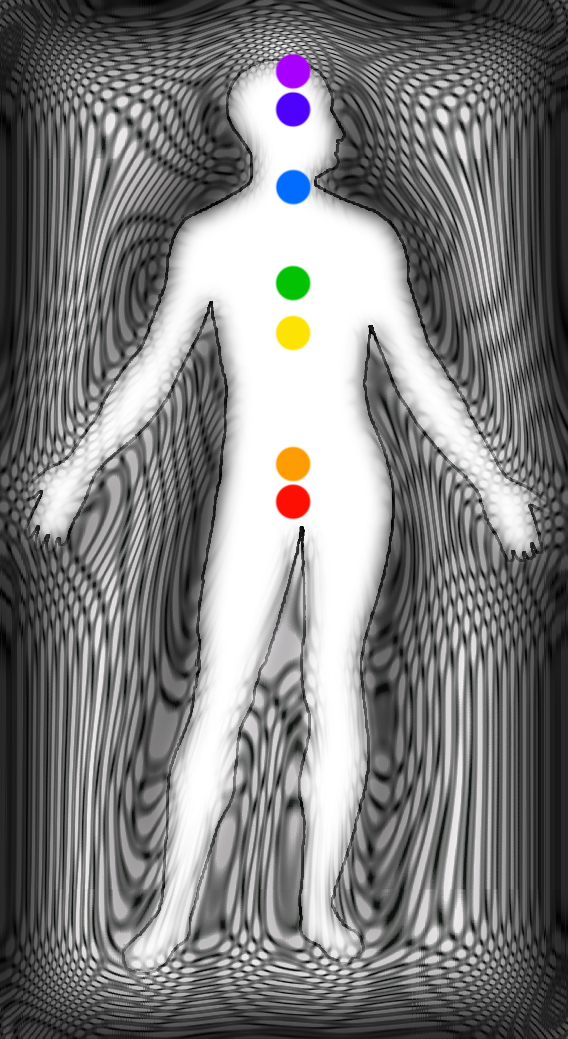
The Personal Energy Profile, outlined in my second book, A Question of Balance, analyses the human energy system, using the chakra model, for symptoms of stress, pinpointing opportunities and threats to health, and highlighting areas of excess and deficiency, so that a return to healthy life balance is possible. Meditation, visualisation, relaxation therapy, exercise, creativity, hobbies and seeking professional counselling are some other ways to manage and reduce stress.
Reclaim your energy and presence:
To cultivate happiness and well-being, more of your energy needs to reside within your body rather than being scattered externally. Happiness is a sign that you are fully present. When most of your chakras are balanced, your life force, your energy—your spirit—aligns with the present moment.
Like a playful puppy or kitten, your spirit tends to wander. Left unchecked, it can drift into distractions, lost in past struggles or future anxieties. Without mindful attention, it can stray into harmful territory. To reclaim your power, energy, and spirit, you need to call it back home, out of the weight of your personal history and the uncertainty of tomorrow.
Awareness is the first step. Training your spirit requires consistent supervision. It’s like disciplining a pet that tends to run off when you’re not watching. It takes practice, patience, and commitment to create lasting change. Over time, this discipline becomes second nature, strengthening your connection to yourself.
A practical approach is to use the Personal Energy Profile, a structured method I’ve developed to keep track of your energy. You begin by diagnosing your chakras regularly, identifying imbalances that signal where your spirit might be drifting. Then, choose a healing path that resonates with you, calling your spirit back into your body and the present moment.
When your energy is fully present, you become stronger, grounded, centered, and happier.
 Gail Goodwin
You must be logged in to post a comment.