The Spiritual Entrepreneur Archetype 

A spiritual entrepreneur is someone who operates their business from the seat of their soul. They function from within the energy of their Sacred Self. They integrate spiritual principles and practices into their business, focusing not just on profit but also on purpose, service, and the well-being of themselves and others. They prioritise values such as authenticity, mindfulness, compassion, and personal growth, and aim to create a positive impact on the world through their work. 

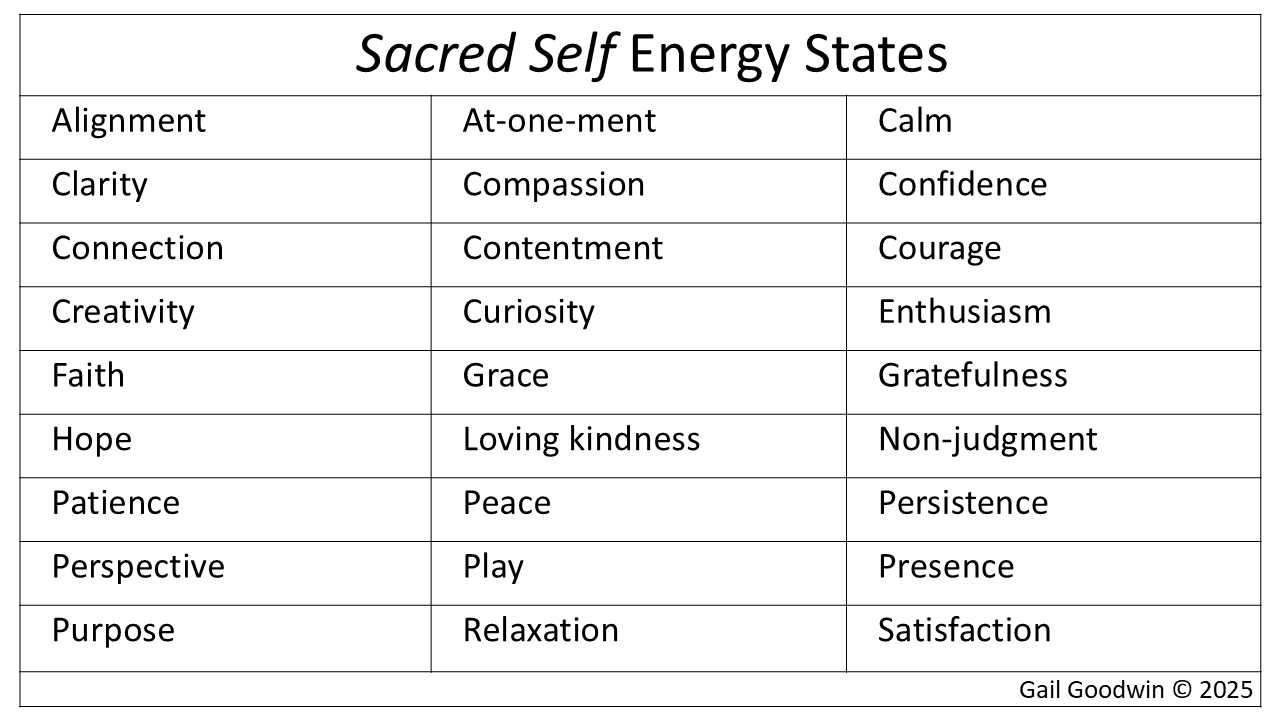
Drive your life from the seat of your soul by getting into one of these Sacred Self Energy States.

Being a spiritual entrepreneur can benefit both the business owner and their clients by deepening connections and experiences through a whole of life approach. This generates a purpose driven business that has a positive impact based on sustainable growth strategies. By operating from a place of deep authenticity within your soul, and alignment with your spiritual values, you can create a stronger, more meaningful connection with your customers and clients. This deeper sense of trust and openness leads to more effective business practices. 

As a spiritual entrepreneur, you would take a holistic view of success. You consider not just the material side of business, but also the physical, emotional, mental, and spiritual well-being of those connected with your business. This can lead to mutually fulfilling relationships and business opportunities. Operating with a clear sense of purpose can provide you with greater motivation and resilience, helping you to navigate business challenges with a sense of mission, vision and creativity. This purpose-driven approach can attract clients and stakeholders who resonate with the same values.

By focusing on being of service and making a positive difference, you create a ripple effect, where your soul-led approach has a positive influence on others. A business grounded in spiritual principles emphasises sustainability and ethical practices. Being a spiritual entrepreneur can enhance the effectiveness and impact of your business and as a result, the long-term growth of your business can benefit the community, the environment, and all stakeholders involved.

Business owners with the Spiritual Entrepreneur archetype as one of their Business Archetypes incorporates spiritual principles into their business practices. They aim to create a positive impact while achieving financial success.

Gail Goodwin 2025

The Spiritual Entrepreneur Archetype

Here are six weaknesses and strengths associated with spiritual entrepreneurship, along with the challenges that might arise. The list is not exhaustive, but in my experience as a business teacher (training adult students to start up and operate a business), I’ve included the most common weaknesses and strengths associated with this archetype.

Weaknesses

  1. Over-idealisation: Spiritual entrepreneurs may sometimes over-idealise their vision, which can lead to unrealistic expectations or disappointment when faced with practical challenges.
  2. Boundary Issues: They might struggle with setting boundaries, feeling conflicted between the spiritual principles they adhere to and the practical demands of business.
  3. Financial Insecurity: Balancing spiritual values with financial success can be challenging, leading to financial insecurity if not managed properly.
  4. Resistance to Change: They may face resistance to change, as their spiritual values may conflict with certain business decisions or advancements.
  5. Difficulty in Decision Making: Spiritual entrepreneurs may struggle with decision-making, as they often consider the ethical and moral implications of their choices.
  6. Isolation: They might experience a sense of isolation, as their approach to business may differ significantly from that of traditional entrepreneurs, making it harder to find like-minded individuals for support and collaboration.

Strengths

  1. Purpose-driven: Spiritual entrepreneurs are motivated by a deep sense of purpose, aiming to make a positive difference in the world.
  2. Authenticity: They prioritise authenticity and strive to align their business goals with their personal values, which can build trust with customers and clients.
  3. Innovation: Spiritual entrepreneurs often approach challenges with innovative solutions, drawing on spiritual principles to inspire creativity.
  4. Resilience: They tend to be resilient in the face of adversity, drawing on spiritual practices to maintain balance and perspective during tough times.
  5. Empathy: Spiritual entrepreneurs typically possess a high level of empathy, fostering strong connections with clients, customers, and colleagues.
  6. Global Perspective: They often have a broader, more inclusive perspective, seeking to create solutions that benefit not only themselves but also the broader community and the planet.

Challenges

  1. Balancing Profit and Purpose: One of the significant challenges is finding the balance between making a profit and maintaining the integrity of their spiritual principles.
  2. Navigating Scepticism: Spiritual entrepreneurs are likely to face scepticism or resistance from those who do not understand or share their spiritual values.
  3. Managing Expectations: Striking a balance between idealism and realism can be challenging, especially when faced with setbacks or obstacles.
  4. Overcoming Rejection: They may encounter rejection or criticism, which can be particularly difficult for those who invest their spirituality in their business.
  5. Handling Burnout: Spiritual entrepreneurs may experience burnout from trying to maintain a high level of purpose and energy, which could be emotionally draining.
  6. Maintaining Boundaries: It’s essential to maintain boundaries between personal and professional life because spiritual entrepreneurs may struggle with the blurred lines between the two.

Self-Examination

Understanding and addressing the strengths, weaknesses, and challenges allows spiritual entrepreneurs to navigate the complexities of business with integrity, purpose, and resilience. To support this, I’ve designed exercises to address 6 common, limiting beliefs about spiritual entrepreneurship and 3 limiting beliefs that relate to self-employment.

The purpose of these exercises and journal prompts is to:

  • Activate your awareness of the limiting beliefs running silently in the background, spotlighting these patterns, which will allow you to name what was previously nebulous. This self-reflection creates space between the belief and your Sacred Self observing it.
  • Encourage the habit of reframing. Prompts invite new perspectives by asking intentional questions. You begin to rewrite the narrative, shifting from “I can’t” to “What if I could?” They help move from fear-based archetypes (like the Victim or Saboteur) to empowered ones (like the Hero or Leader/Manager).
  • Strengthen your connection to your Sacred Self. Journaling reconnects you with intuition, truth, and the archetypes aligned with your deeper essence. It becomes a dialogue between your Sacred Self and the archetype, providing structure for insight to emerge from within, rather than relying on external validation.
  • Support Integration of the highest potential of the archetype. Writing reveals patterns across time, helping you track growth. It lets your reflections take anchor so beliefs can transform gradually, not just conceptually. Making journaling a habit embeds the reframe into your daily consciousness, turning possibility into embodiment.

Address Limiting Beliefs, Reframe, and Journal

1. “Balancing profit and purpose is impossible.” This belief speaks to fears and concerns about balancing profit and purpose, finding the balance between making a profit and maintaining the integrity of your spiritual principles.

  • Reframe: Prosperity and integrity aren’t opposites, they’re partners in meaningful exchange. The Leader/Manager leads with values, and the Creator builds models where wealth reflects worth.
  • Archetypal Lens: Leader/Manager, Builder, Sage

Journal prompts:
• Where does my understanding of prosperity align or conflict with my spiritual values?
• What does “ethical earning” look like in the work I feel called to do?
• How might the Leader/Manager and Creator archetypes guide my decisions about money and meaning?
• What would my business look like if profit flowed from authentic service?

2. “People won’t understand my spiritual work.” This belief speaks to navigating scepticism and the fear of scepticism or resistance from those who do not understand or share your spiritual values.

  • Reframe: Scepticism isn’t rejection. It’s a mirror inviting clarity and compassion. The Messenger bridges worlds, and the Rebel dares to speak truths that others have forgotten.
  • Archetypal Lens: Messenger, Rebel, Sage.

Journal Prompts:
• Where have I felt misunderstood, and how did I respond?
• How can I communicate my work with clarity, courage, and compassion?
• What archetypes within me want to speak my truth regardless of external approval?
• In what ways has scepticism helped me refine or deepen my message?

3. “I can’t be idealistic and realistic.” This belief speaks to fears about managing expectations and striking a balance between idealism and realism when faced with setbacks or obstacles.

  • Reframe: Vision isn’t naive. It’s necessary. The Visionary dreams in truth, while the Strategist grounds the dream in structure.
  • Archetypal Lens: Visionary, Strategist, Creator.

Journal Prompts:
• What vision feels “too ideal” and what’s one step toward grounding it?
• How can the Strategist archetype help me balance inspiration with implementation?
• What past experiences show me I can dream big and follow through?
• Where in my business can realism serve rather than restrict my ideals?

4. “Rejection means I’m not meant to do this.” This belief speaks to a fear of rejection and criticism and the ability to overcome it, which can be difficult when you invest not only your spirit, but your spirituality in your business.

  • Reframe: Rejection is redirection, not negation. The Hero rises through adversity, the Judge discerns constructive criticism from personal wounding, and the Healer restores purpose.
  • Archetypal Lens: Hero, Judge, Healer.

Journal Prompts:
• What stories have I attached to rejection, and are they true?
• Where has rejection redirected me toward greater clarity or authenticity?
• How does the Hero archetype within me respond when things don’t go to plan?
• What does the Judge archetype reveal about the difference between rejection and constructive growth?

5. “If I’m not constantly inspired, I’m failing.” This is belief speaks to fears about handling burnout, from trying to maintain a high level of purpose and energy, which some may find emotionally draining.

  • Reframe: Sustainability requires rhythm not relentless passion. The Mystic honours cycles, the Builder reinforces systems, and the Leader/Manager prioritises nourishment.
  • Archetypal Lens: Mystic, Builder, Leader/Manager.

Journal Prompts:
• What does “productive” look like when aligned with my energetic cycles?
• When have rest or pause periods fuelled deeper inspiration?
• How can I create rhythms that nourish both my passion and my wellbeing?
• Which archetypes (Mystic, Builder, Leader/Manager) might support sustainability over intensity?

6. “I can’t separate personal and professional life.” This speaks to the fear of trusting yourself to maintain the boundaries between personal and professional life, as spiritual entrepreneurs may struggle with the blurred lines between the two.

  • Reframe: Sacred work doesn’t mean boundaryless work. The Guardian creates containers that protect both presence and privacy.
  • Archetypal Lens: Guardian, Leader, Alchemist.

Journal Prompts:
• Where do I feel most blurred between work and personal identity?
• What boundaries would protect both my presence and my purpose?
• How does the Guardian archetype invite sacred containers for different parts of my life?
• What rituals help me transition between being of service and being in solitude?

7. “Self-employment is dangerous.” This belief activates fear-based narratives, especially within the Protector wing of the Victim archetype, which seeks safety through stability. It ignores the Hero archetype’s call to lead with purpose, the Alchemist’s gift for turning uncertainty into innovation, the Gambler’s ability to take a risk, the Judge’s ability to discern between healthy and unhealthy risk-taking, and the Rebel’s courage to carve out new pathways. While self-employment may invite risk, it also opens the door to alignment, autonomy, and creative freedom, which are all hallmarks of the Sacred Self.

  • Reframe: Risk isn’t the enemy. It’s the threshold to purpose. The Hero leads, the Alchemist transforms, and the Rebel liberates through aligned action.
  • Archetypal Lens: Victim, Hero, Alchemist, Gambler, Judge, Rebel.

Journal Prompts:
• When have I chosen courage over comfort, and what did it unlock in me?
• Which risks have brought me closer to my Sacred Self?
• What archetypes in me (Protector, Judge, Gambler) need reassurance or recalibration?
• How do I discern between instinctual fear and intuitive resistance?

8. “Self-employment is hard work. I’ll be working on the business more than in it.” This belief often surfaces from the Taskmaster or Inner Critic wings of the Saboteur archetype, which equate effort with exhaustion and blur the lines between purposeful action and overwhelm. Yet the Creator thrives when shaping systems that support flow, not just hustle. The Leader/Manager reminds us that Leader/Managership isn’t about doing everything. It’s about discerning what matters and building structures that honour both vision and sustainability. Working on the business is the act of tending to its soul. It can be sacred work, especially when guided by clarity, rhythm, and trust in your capacity.

  • Reframe: Tending the roots is not a distraction from the fruits. Sacred work flows when systems reflect your soul’s rhythm.
  • Archetypal Lens: Taskmaster, Critic, Saboteur, Creator, Leader/Manager.

Journal Prompts:
• What does working on my business look like when it’s infused with ease and alignment?
• Where have my efforts felt most purposeful, not draining?
• How do the Creator and Leader/Manager archetypes invite me to build wisely, not just busily?
• What rituals or rhythms support clarity and momentum?

9. “Starting a business is easy, but sustaining it is impossible. This belief echoes the Sceptic wing of the Saboteur and the Wounded Visionary archetypes. Both fear depletion or failure after the initial spark fades or the novelty wears off. Yet the healthy Sceptic, the Visionary with a passion, in collaboration with the Builder, the Leader/Manager, and Creator archetypes know that sustainability arises through rhythm, refinement, and commitment to purpose. Endurance is about alignment, resilience, and learning to tend what you’ve planted.

  • Reframe: Initial sparks invite initiation; endurance is forged through devotion. True sustainability is soulful stewardship.
  • Archetypal Lens: Sceptic, Saboteur, Visionary, Builder, Leader/Manager, Creator.

Journal Prompts:
• What does sustainability mean to me beyond productivity and profit?
• Which systems or rituals could support my energy and creativity over time?
• What archetypes – Builder, Visionary, Leader/Manager – can I activate when motivation wanes?
• How might I redefine success as rhythm, not speed?

A spiritual entrepreneur builds their work around purpose, Sacred-Self alignment, and deep inner values. They weave spiritual principles like intuition, integrity, and service into the fabric of their business. They use it not just as a means of income but as a vehicle for individual and collective transformation. Their success is measured less by conventional metrics and more by how authentically they express their Sacred Self, contribute meaningfully, and stay grounded in their spiritual values. They often face unique challenges: balancing profit with purpose, managing scepticism, setting boundaries, and sustaining inspiration all while remaining devoted to their soul’s calling. But when you function from the energy of your Sacred Self, you can draw on the strengths of the Spiritual Entrepreneur archetype to navigate entrepreneurship as a spiritual path.