
There is a reason why you’re feeling stuck. Your soul has engineered this standstill. One of your tired, weary, exhausted, or burnt-out archetypes needs you to consciously unload what it no longer needs to carry for you. You are the only one who can do this. And it can only be done when you’re in the energy of your Sacred Self.

While you can be guided through the Archetype Transformation Process, only you can enter the sanctuary of your soul. Only you can function from your Sacred Self.
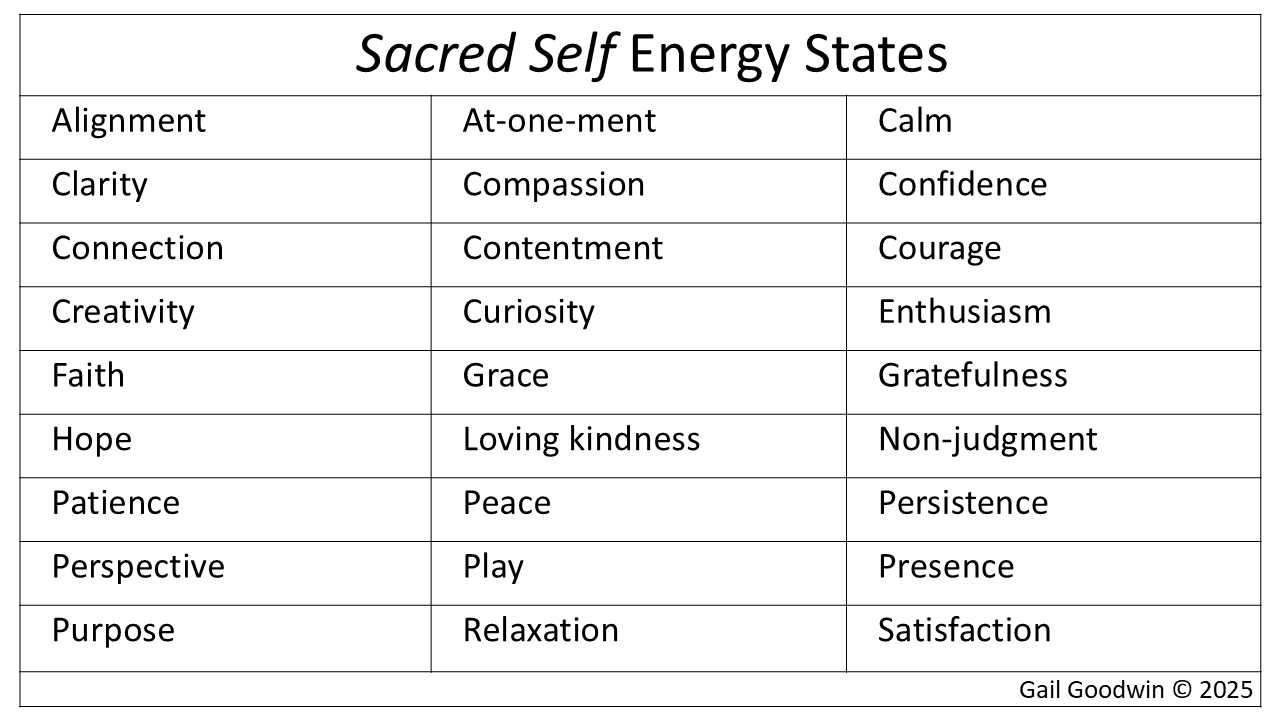
Sacred Self energy exists in every person and in every archetype. This is why I always say there are no bad archetypes, only archetypal patterns expressed in unhelpful ways. Likewise, there is no bad energy; it’s how people direct and use their energy that determines its impact.
Soul-sourced archetypes can transform broken, damaged, or undeveloped patterns into a mature source of insight and lasting wisdom. Soul-sourced archetypes are Self-authored by your Sacred Self rather than sourced from generic descriptions. When archetypes are authored from the inner authority of your Sacred Self, they are more nuanced and tailored to your unique, lived experience, rather than from borrowed templates.
To Self-author an archetype, begin choosing a Sacred Self energy state to inhabit and then,
- Identify an archetypal pattern in yourself as it currently appears. For example, your Inner Pleaser is burnt-out, weary, tired, unhealthy, fractured, wounded, distorted, broken, immature, or underdeveloped.
- Self-author the archetype. Bring it into dialogue with your Sacred Self by deconstructing the archetype: brainstorm its disempowered and empowered expressions in equal measure. Identify the highest potential from your list of empowered expressions and the most limiting expression from your list of disempowered expressions. Listen for the archetype’s values and voice.
- Be mindful of the disempowered expressions whilst practicing the highest potential of your Self-authored pattern in your daily choices, until it becomes second nature to you.
As an outcome, Soul-sourced, Self-authored archetypes can transform your undeveloped patterns into mature, reliable sources of guidance and lasting clarity. I recommend Self-authoring your archetypes from within your Sacred Self energy so what was undeveloped shifts to become a grounded source of insight and enduring wisdom.
Feeling stuck is your soul’s way of telling you that something within you is ready to change.
 Gail Goodwin
You must be logged in to post a comment.